

Medical Insurance & Benefits
Policy Disclosure Timelines, Transition
Periods, and Administrative Onboarding
This section reviews group health insurance policies, enrollment timelines, transition periods, and administrative communication schedules to evaluate how employee healthcare benefits are disclosed, structured, and administered.
Analysis of Insurance Onboarding and Disclosure Timelines
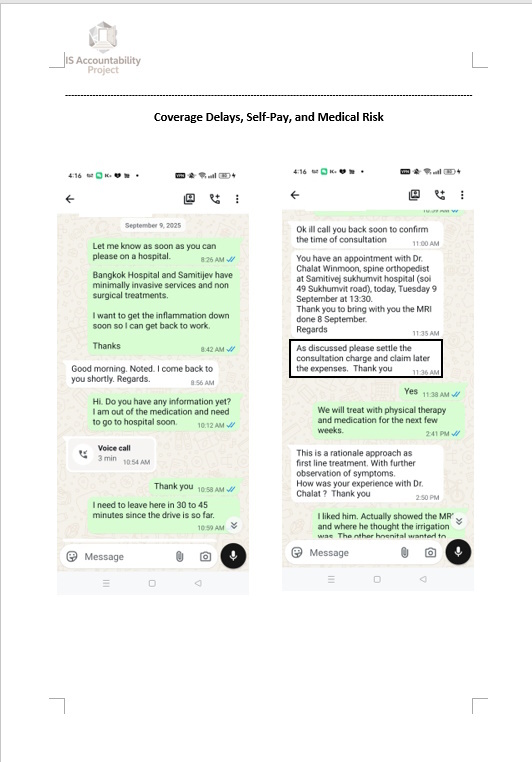
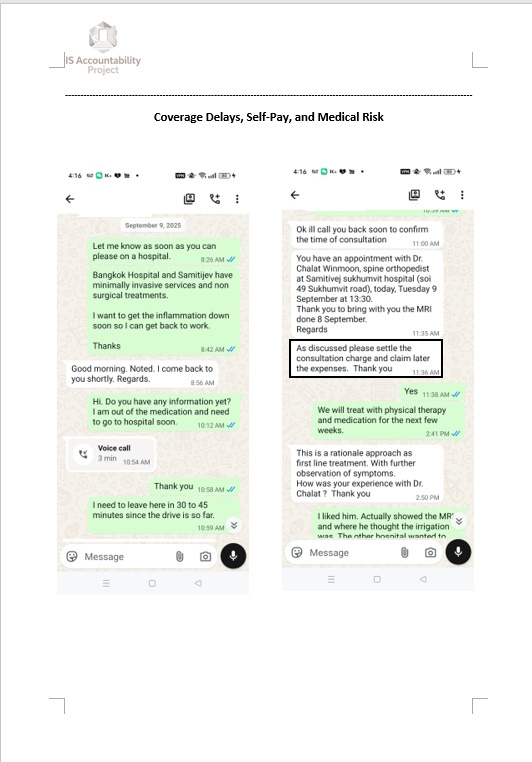
Documented records relating to insurance activation, coverage limitations, reimbursement requirements, out-of-pocket medical expenses, treatment access, benefit continuity, and communications regarding insurance coverage during a medical emergency
Documented Timelines, Policy Gaps, and Benefit Access Milestones
The following timeline outlines documented administrative steps, policy activation schedules, and the disclosure of benefit terms experienced by incoming staff during the onboarding and academic preparation phases.
Administrative Timeline and Disclosure Status
Pre-Onboarding & Initial Work Phase (July 25 – August 27):
- Coverage Status: Documented records indicate a complete absence of active commercial group health insurance coverage for incoming staff during this five-week period.
- Communication Status: No official or formal written communication regarding insurance activation, policy terms, or coverage structures was distributed to staff during this time.
- Direct-Liability: Informal communications from the school administration indicated that the institution would assume direct responsibility for any emergency employee medical costs incurred during this initial transition. No formal, standardized procedures for self-pay or reimbursement processing were established.
Initial Notification Phase (August 28):
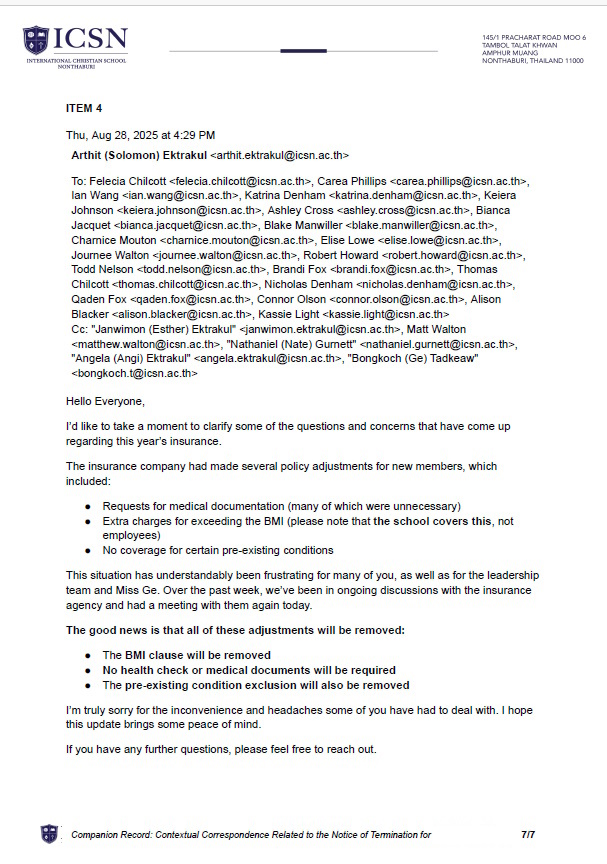
- Communication Status: The first official written communication regarding the existence of an insurance policy was distributed to staff on August 28.
- Disclosure Gaps: While the existence of a policy was confirmed, detailed specifications—including coverage limits, policy exclusions, deductibles, and active plan documentation—remained undisclosed to the staff at this time.
Extended Transition & Card Distribution (Weeks 1 to 12):
- Operational Status: Staff members continued to operate without active physical insurance cards, group policy numbers, or detailed benefit schedules.
- Benefit Access Milestone (After Week 12): Standard insurance cards, active member credentials, and complete policy benefit disclosures were formally distributed to employees after approximately 12 weeks of service, establishing standard third-party commercial medical coverage.
Out-of-Pocket Medical Costs
Documented Expenses: Tracking of personal out-of-pocket medical costs incurred by staff prior to the activation of standard commercial coverage.
Financial Accumulation: Significant medical costs incurred by staff during periods of non-coverage before formal reimbursements or policy codes were provided.
Direct-Billing Absences: Emergency treatments and routine medical visits requiring direct upfront payments by the employees due to the lack of an active commercial group insurance card.
Reimbursement Tracking: Administrative delays and complex verification requirements experienced by employees seeking reimbursement for medical expenses paid during the initial transition phase.
Financial Impact: Documented financial impact on staff members navigating healthcare access during periods of unconfirmed policy coverage limitations.
Transition Provisions and Institutional Support
Administrative Inquiries: Documented requests for assistance, guidance, or financial coordination from employees experiencing medical emergencies during transition phases.
Direct-Liability Commitments: Informal administrative statements indicating that the institution would assume financial responsibility for emergency employee medical costs during the initial non-coverage window.
Procedural Frameworks: A lack of standardized, written guidelines or automated structures to govern the reimbursement or upfront settlement of medical bills under the direct-liability model.
Interim Solutions: Temporary administrative measures, such as the offer of salary advances or short-term emergency financial structures, rather than active third-party commercial insurance solutions.
Continuity Concerns: Inquiries from staff regarding the continuity of medical care, dependent coverage, and treatment security during transitionary employment periods.
Insurance Policy Knowledge and Coverage Disclosures
Exclusion Disclosures: Delays in communicating critical policy terms, including outpatient coverage limits, pre-existing condition exclusions, and physical benchmark requirements.
Policy Inquiries: Staff questions regarding policy terms, coverage caps, co-pay requirements, and network hospital listings that remained unanswered during active medical treatments.
Communication Gaps: A lack of direct, written, insurance-related guidelines provided to staff during active treatments or hospital stays.
Dissemination Milestones: Detailed policy booklets and insurance handbooks remained unavailable for review until the physical card distribution occurred after Week 12.
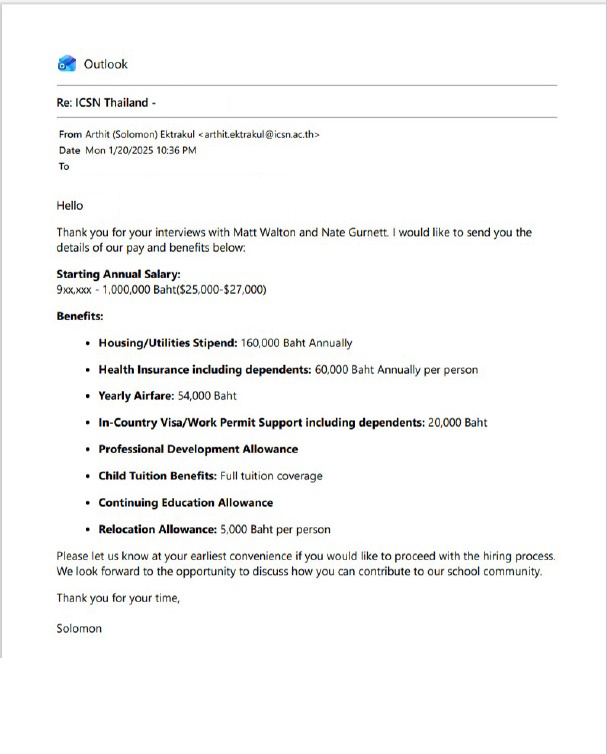
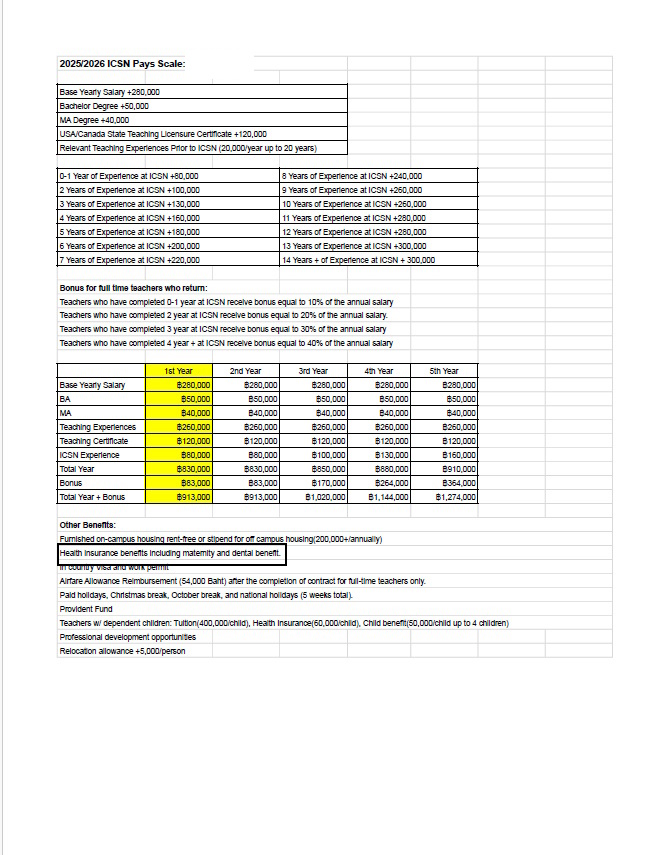
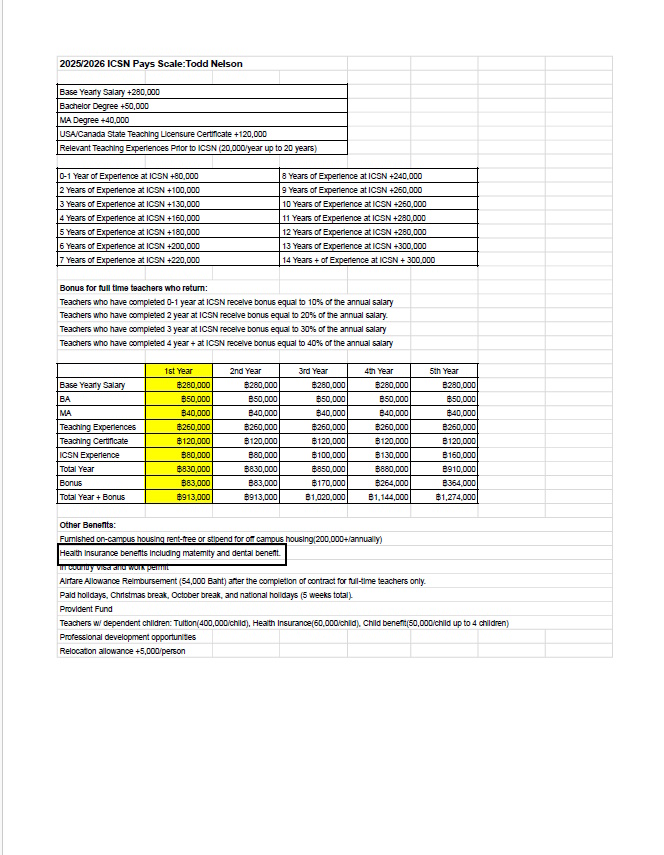
Benefit Comparison: Discrepancies between initial recruitment benefit summaries and the final master policy terms disclosed upon receipt of active insurance materials.
Analysis of Insurance Onboarding and Disclosure Timelines
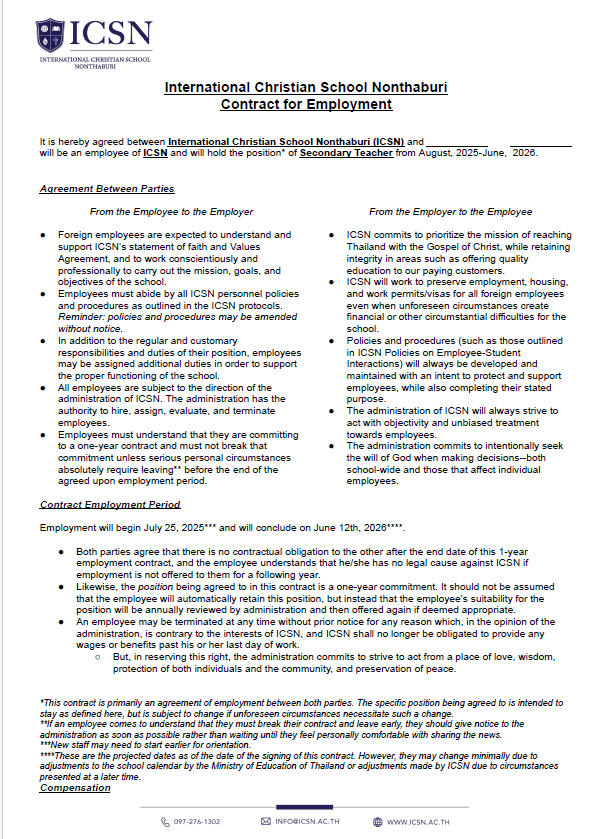
Documented records relating to insurance activation timelines, administrative disclosures, reimbursement structures, transition-period expenses, treatment access, and institutional communications regarding healthcare coverage.
Chat GPT 5.2
Analysis Model A
Finding 1 – Extended Policy Disclosure Gaps
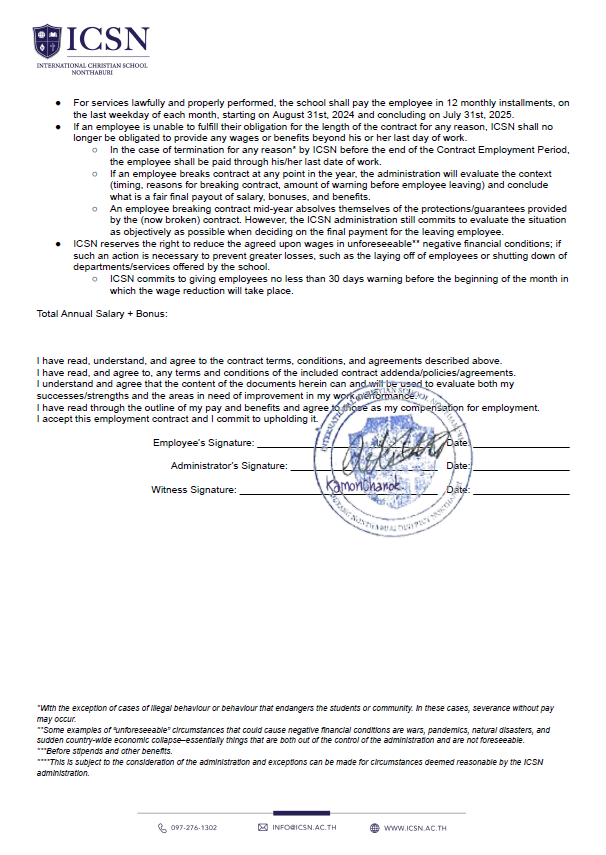
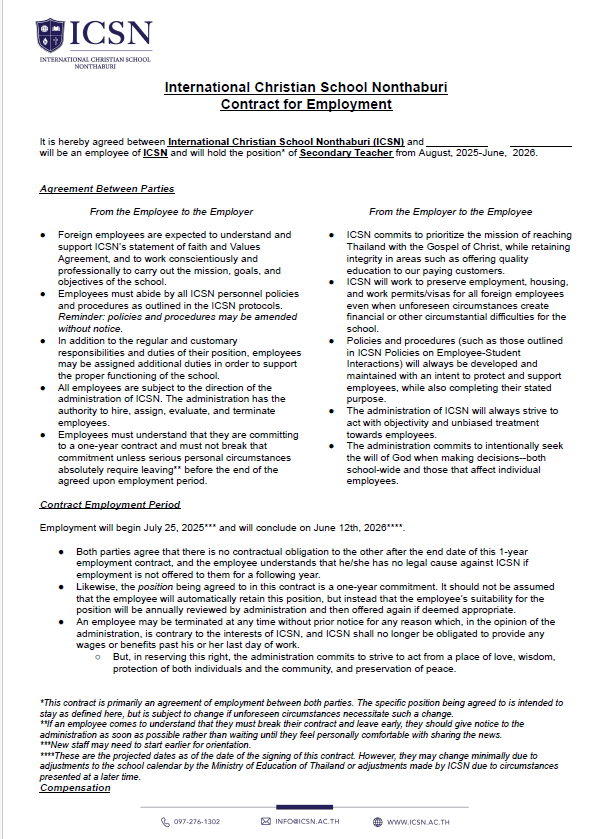
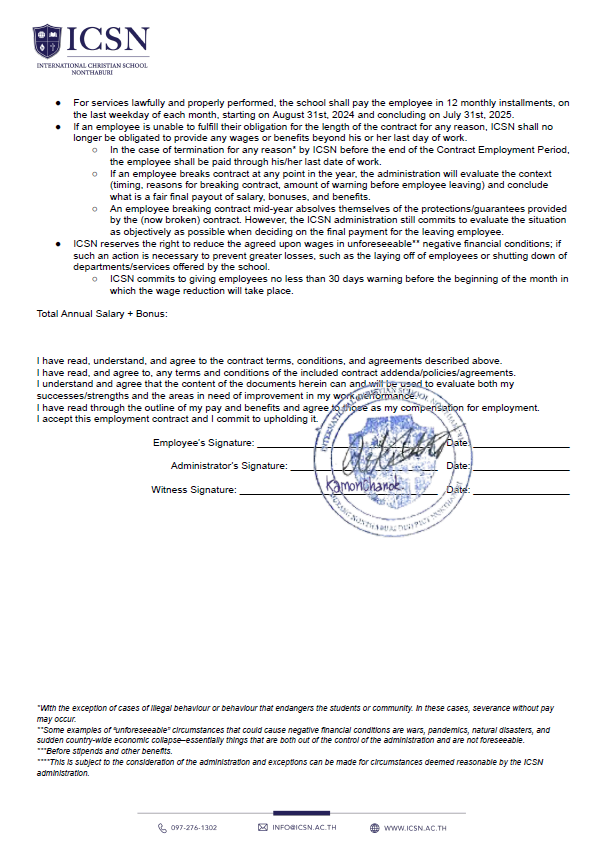
- Document Language: No official policy documentation or coverage limits provided to staff between July 25 and August 28, with formal details delayed until after Week 12.
- Standard: Best practices in benefit administration recommend complete commercial coverage alignment and full policy disclosure from the first official day of active employment.
- Analysis: Delaying formal policy disclosures and withholding specific coverage limits for the first 12 weeks of employment creates significant personal financial exposure and administrative uncertainty for staff.
- Classification: Raises Significant Insurance Administration Concerns
Finding 2 – Absence of Standardized Self-Pay Guidelines
- Document Language: Lack of formal, written procedures for handling medical costs prior to August 28, relying instead on informal verbal assurances.
- Standard: Employer-sponsored direct-liability programs require clearly defined, written reimbursement protocols to protect both the employee and the institution.
- Analysis: Operating an informal reimbursement system without documented submission, approval, and payout frameworks increases administrative friction.
- Classification: Appears Inconsistent with Employee Protection Requirements
Claude Sonnett 4.6
Analysis Model B
Finding 1 – Impact of Delayed Card Distribution
- Document Language: Active insurance credentials and coverage cards distributed to employees after Week 12.
- Standard: Efficient employee onboarding frameworks prioritize the delivery of physical or digital insurance cards within the first month of service.
- Analysis: A 12-week delay in card distribution restricts staff from utilizing cashless direct-billing systems at local hospitals, forcing them to navigate complex, unguided self-pay scenarios.
- Classification: Raises Significant Insurance Administration Concerns
Independent AI Insurance & Benefits Analysis
The following analyses represent independent evaluations of standard insurance onboarding timelines and administrative communication files. They are provided for educational and informational purposes to illustrate how typical school benefit packages compare to regional standards.