

Employment Contracts and Labour Compliance
Contract Terms, Employee Protections, and Standard Practices
This section reviews standard international education employment contracts, benefit provisions, policy guidelines, and related documentation to evaluate systemic alignment with local labour protections and regulatory requirements.
Key Topics Examined
- Contract Terms and Compliance Structures: Analyzing general clauses, notice periods, and statutory requirements.
- Workplace Protections: Outlining standard employee rights and educational staff guidelines.
- Benefits and Insurance Provisions: Examining contract language regarding health coverage and employee benefits.
- Standard Separation Practices: Reviewing typical institutional transition, termination, and resignation protocols.
- Contractual Commitments: Looking at standard agreements affecting employees and their dependents.
Non-Waivable Rights and Labour Protections
This section examines general employment contracts, policy provisions, insurance arrangements, and benefit practices to understand their relationship with statutory labour protections, non-waivable employee rights, and established labour standards. Supporting records, correspondence, and source documents are provided below.
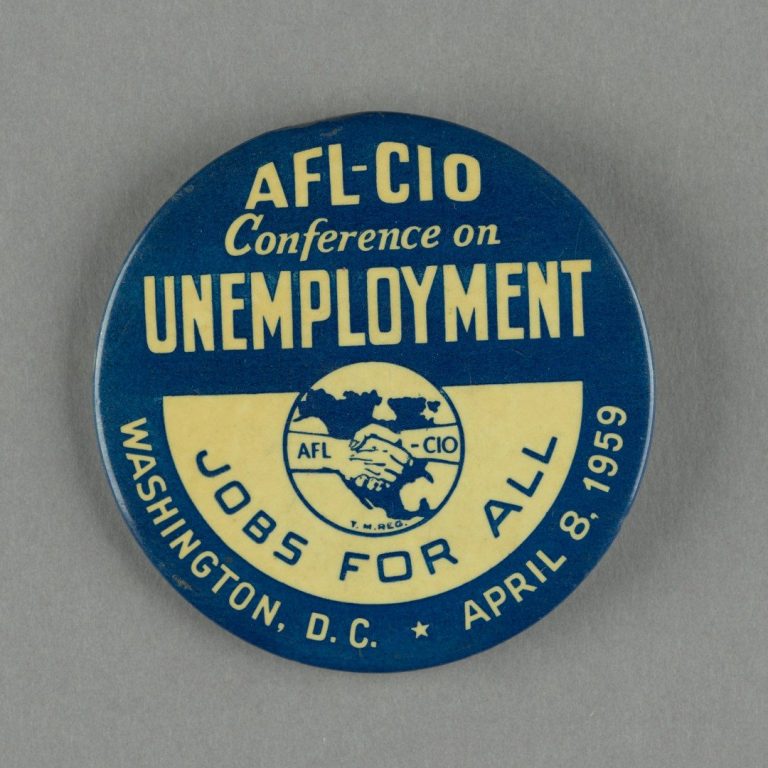
Contract Compliance and Employee Rights
Statutory Labour Protections
- Statutory employee protections are governed by local regulatory frameworks and generally cannot be waived.
- Social Security participation and registration requirements.
- Workers’ compensation and injury protection obligations.
- Standard guidelines governing wage deductions.

Insurance and Benefit Provisions
Coverage, Benefits, and Worker Protections
- Standard institutional insurance and health protection frameworks.
- Transparency in statutory protection registries.
- Medical coverage structures during periods of hospitalization.
- Dependent benefit structures and continuity policies.

Employment Status and Employment Practices
Administrative Transitions and Continuity
- Standard policies governing medical incapacity or long-term illness.
- Dependent education provisions and enrollment continuity.
- Transition and benefit continuity structures.

Contract Analysis and Supporting Evidence
Comparative Review and Documentation
- Contractual clauses relating to deductions or lateness policies.
- Contract excerpts and standard documentation.
- Comparative analysis of standard pay slips and regulatory standards.
- Contractual language compared to regional educational employment baselines.
Contract Structures, Statutory Protections,
and Regulatory Guidelines
Employment contracts, standard payroll templates, and supporting documentation help clarify how standard contract provisions, deductions, insurance benefits, and transition practices align with statutory employee protections and regional standards.
Contract Terms and Local Labour Protections
Records document contract clauses regarding termination notice periods, standard disciplinary guidelines, waiver terms, and how these conditions align with statutory employee protections.
Key Areas of Focus
- Notice periods and termination clause structures.
- Guidelines regarding lateness policies and operational deductions.
- Contractual language in relation to non-waivable statutory rights.
- Waiver, transition, and severance structures.
Statutory Protections and Required Provisions
This section highlights standard statutory requirements, legally mandated participation systems, worker protections, and administrative obligations affecting international educators.
Key Areas of Focus
- Statutory social insurance and equivalent benefit provisions.
- Worker protection and compensation systems.
- Employee protection guidelines during medical leave.
- Standards governing payroll deductions.

Medical Incapacity and Transition Policies
This section reviews institutional guidelines during periods of medical incapacity, leave entitlements, probationary status, and the consistency of protections applied to employees experiencing illness or injury.
Key Areas of Focus
- Administrative processes during medical incapacity.
- Leave entitlements and standard workplace protection policies.
- Probationary periods and employment continuity standards.
- Consistency in administrative decision-making and transition protocols.
Supporting Evidence and Comparative Analysis
- Employment Agreement Records: Excerpts of standard contract terms and translated administrative records.
- Payroll Records & Deductions: Documented pay stubs, standard adjustments, and standard payroll ledger formats.
- Administrative Guidelines: Documentation relating to standard operational provisions and benefit rules.
- Regulatory Reference Standards: Local statutory guidelines, notice requirements, and labour protection benchmarks.
- Documented Timelines: Chronological summaries of administrative practices and employment record transmittals.
Probation, Termination, and Statutory Labour Standards
This section reviews documented institutional policies, standard contract templates, payroll practices, benefit frameworks, and related administrative records to evaluate how standard operations align with local statutory protections and regional labour guidelines.
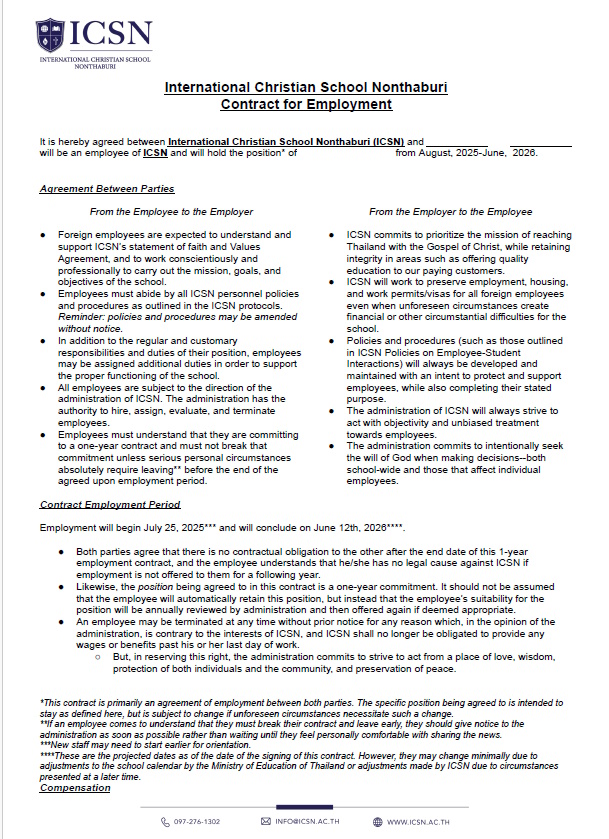

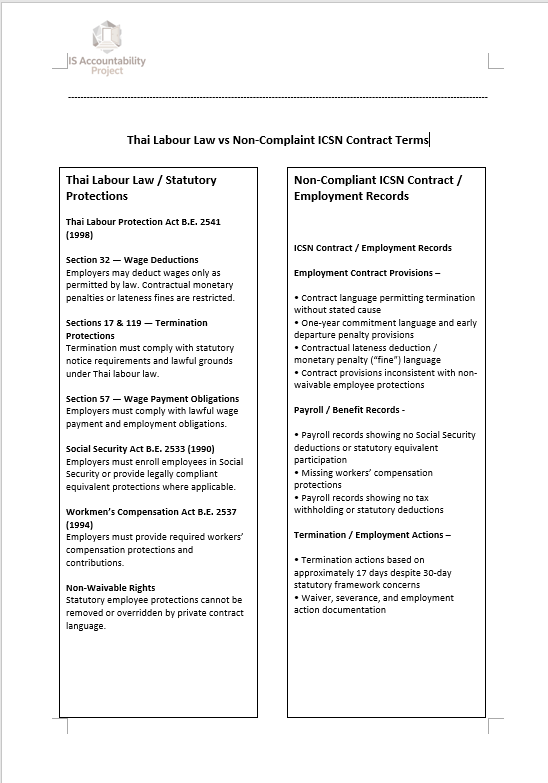
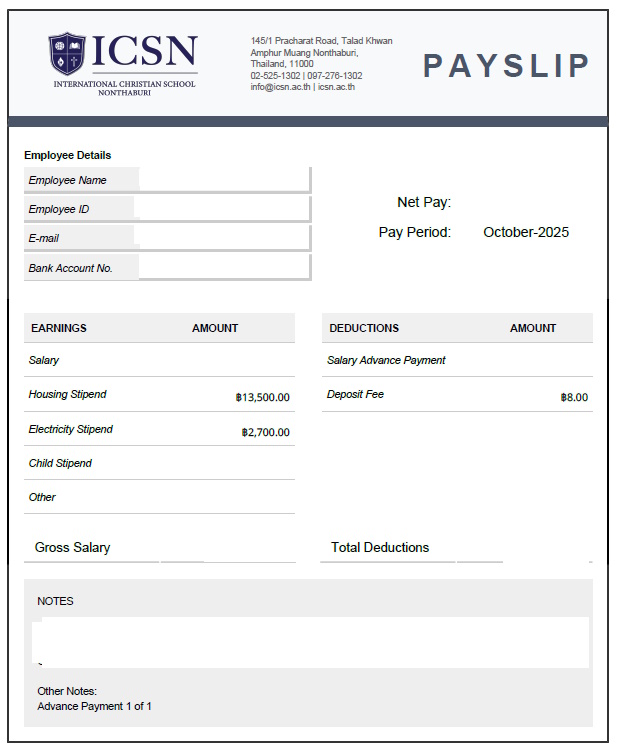
The following analyses represent independent evaluations of standard contract templates and payroll stubs. They are provided for educational and informational purposes to illustrate how typical contract clauses compare to standard regional labour regulations.
Chat GPT 5.2
Analysis Model A
Finding 1 – Termination Notice Clauses
- Document Language: "An employee may be terminated at any time without prior notice..."
- Regulatory Standard: Regional labour guidelines establish statutory notice requirements or pay-in-lieu-of-notice structures that general employment contracts cannot bypass.
- Analysis: Immediate termination clauses without notice or compensation may diverge from standard statutory protections.
- Classification: Inconsistent with Standard Notice and Employee Protection Guidelines
Finding 2 – Waiver of Standard Protections
- Document Language: "An employee breaking contract mid-year absolves themselves of the protections/guarantees..."
- Regulatory Standard: Employee rights established under statutory labour laws are generally non-waivable by private contract.
- Analysis: Clauses indicating a total loss of standard protections upon a contract breach may conflict with non-waivable employee rights.
- Classification: Inconsistent with Non-Waivable Employee Protections
Finding 3 – Wage Modification Clauses
- Document Language: "ICSN reserves the right to reduce the agreed upon wages..."
- Regulatory Standard: Statutory guidelines restrict unilateral wage reductions without mutual consent or specific legal authorization.
- Analysis: Unilateral wage adjustment clauses require careful review under standard wage protection laws.
- Classification: Inconsistent with Standard Wage Protection Requirements
Finding 4 – Payroll Deductions
- Document Language: Payroll records indicating deductions labeled "Salary Advance" or "Deposit Fee."
- Regulatory Standard: Local laws restrict the types and amounts of allowable payroll deductions.
- Analysis: Deductions require verified underlying documentation and clear statutory authorization to ensure compliance.
- Classification: Requires Administrative Compliance Clarification
Finding 5 – Statutory Insurance Registration
- Document Language: Payroll records showing an absence of Social Security or equivalent statutory fund entries.
- Regulatory Standard: Employers are generally required to register eligible employees in statutory social insurance and workers' compensation systems.
- Analysis: The absence of visible statutory contributions on standard documentation indicates a potential gap in regulatory benefit enrollment.
- Classification: Requires Administrative Compliance Clarification
Claude Sonnet 4.6
Analysis Model B
Finding 1 – Notice Periods and Transition Authority
- Document Language: "An employee may be terminated at any time... beyond his/her last day of work."
- Regulatory Standard: Statutory frameworks provide clear mandates regarding notice pay, accrued leave payouts, and severance pay.
- Analysis: Broad, immediate-termination clauses do not override mandatory statutory exit benefits or required notice periods.
- Classification: Inconsistent with Standard Notice and Employee Protection Guidelines
Finding 2 – Final Payout and Retention Clauses
- Document Language: "...a fair final payout of salary, bonuses, and benefits is not assured."
- Regulatory Standard: Earned wages and mandatory statutory payouts cannot be withheld or forfeited as a penalty for early contract termination.
- Analysis: Terms suggesting potential withholding of earned compensation may conflict with wage protection statutes.
- Classification: Inconsistent with Non-Waivable Employee Protections
Finding 3 – Financial Contingency Clauses
- Document Language: "...reduce the agreed upon wages in unforeseeable negative financial conditions..."
- Regulatory Standard: Unilateral pay reductions under financial distress must follow specific legal procedures and employee notification rules.
- Analysis: Open-ended, unilateral salary adjustment clauses deviate from standard salary preservation guidelines.
- Classification: Inconsistent with Standard Wage Protection Requirements